Take Action, Fight Hate: Our activist app that started as a hackathon
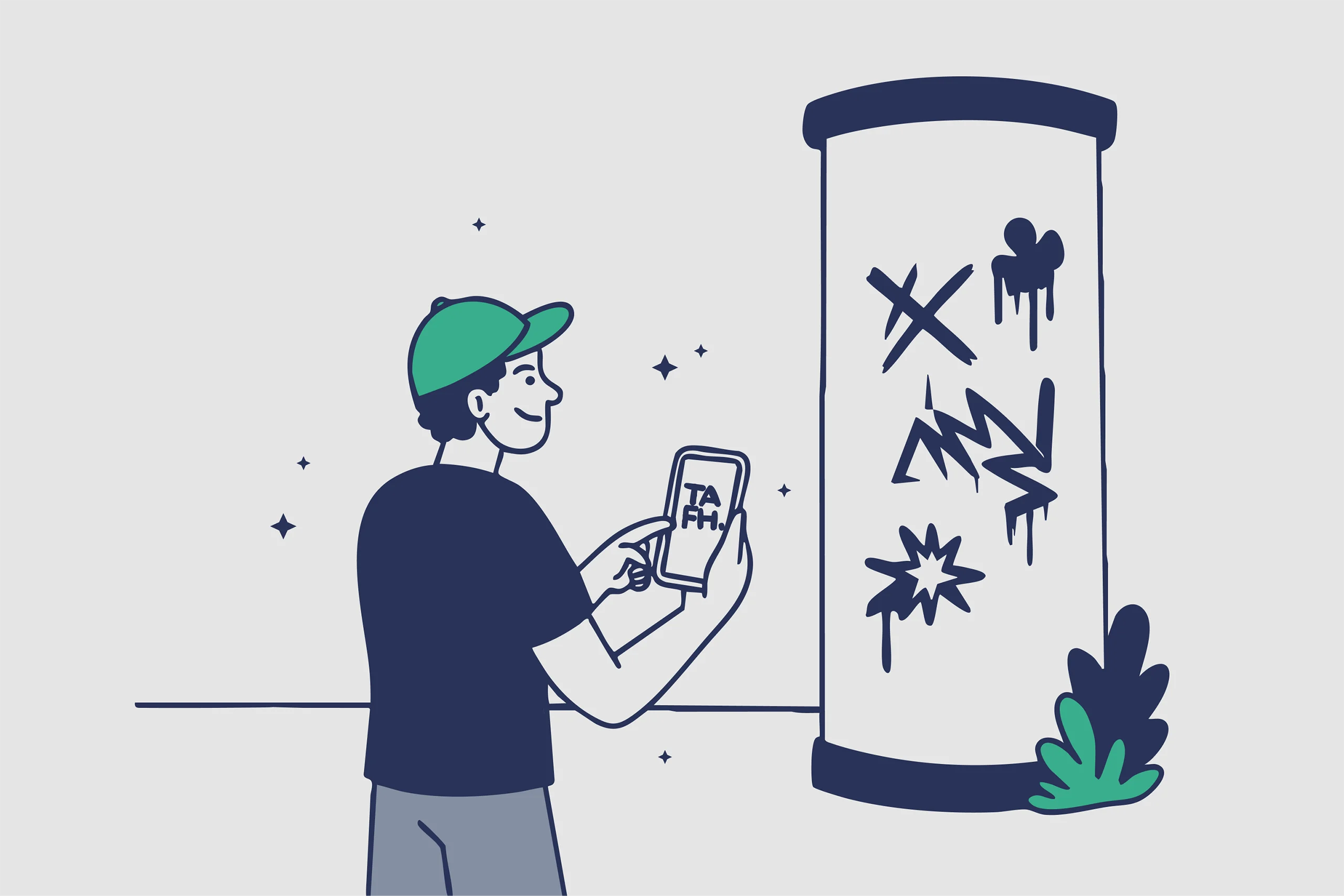
TAFH is our community-powered app for reporting hate in public spaces, designed and built from scratch in collaboration with the GLAS Foundation.
Sofia, 2025: The Hackathon
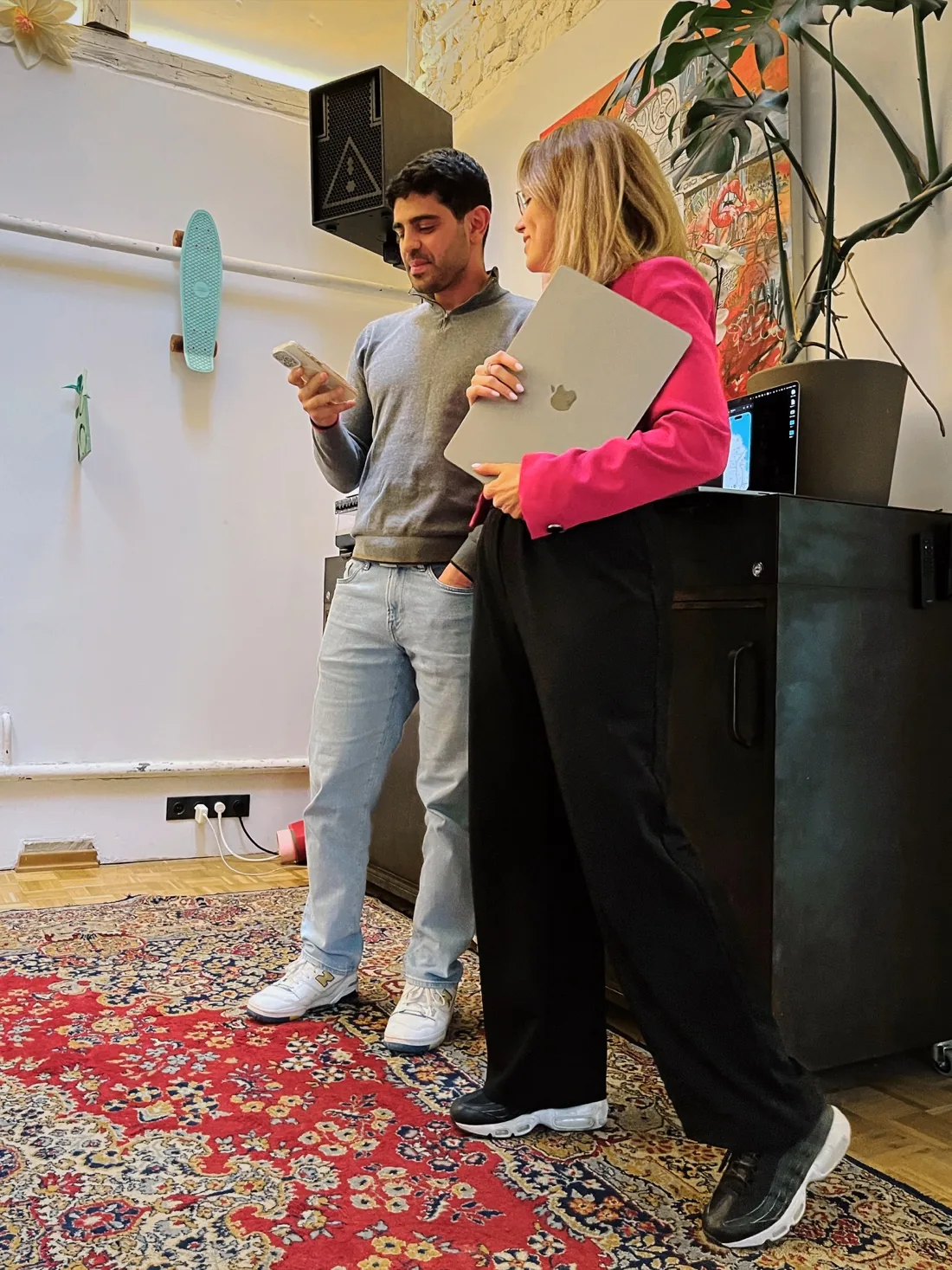
Every year, our company (which is normally spread across two countries and thousands of Slack calls) comes together in the same space in Sofia for an intense 1-day challenge. This could be a bug hunt, or a hackathon for a new feature. But last year's brief was special:
Take Action, Fight Hate. Build a mobile app that enables users to report hateful vandalism in public spaces.
A competent jury
A very open and unconventional assignment for a company rooted in B2B solutions. Everything had to be invented on the spot: branding, architecture, and the entire user flow. From a two-sentence brief to a working prototype, all in one short day. We split into two teams, both well-resourced with their own designer, front- and backend engineers, and access to infrastructure support. For the grand finale, we pitched in front of two GLAS Foundation representatives who joined the hackathon as our expert jury. GLAS is a Bulgarian non-governmental organisation, founded in 2014, that works for the rights and acceptance of LGBTQI people in Bulgaria. It is also one of the organisers of Sofia Pride, the country's largest human rights demonstration.
TAFH, even when it gets RAFH
One of the two teams took the initials of the motto and made them their app's name: TAFH. Say it out loud and it sounds like "tough" in English or "taff" in German. That was exactly the feeling we were after. Not fragile and not victims, but instead capable and ready to act. The name stuck, and it has shaped the tone of the product ever since. The time pressure was immense, but by the end of the hackathon, both teams were able to present working apps on their phones: TAFH and WallWatch. The GLAS representatives were genuinely surprised at how far two small teams had come in a single day, and as it turned out, actual code and many design ideas from both prototypes would later be reused in the project. Nothing was wasted, and we left Sofia with a name, a working proof-of-concept, and a sense that TAFH might outgrow this hackathon.
One year later: Our journey to the App Store
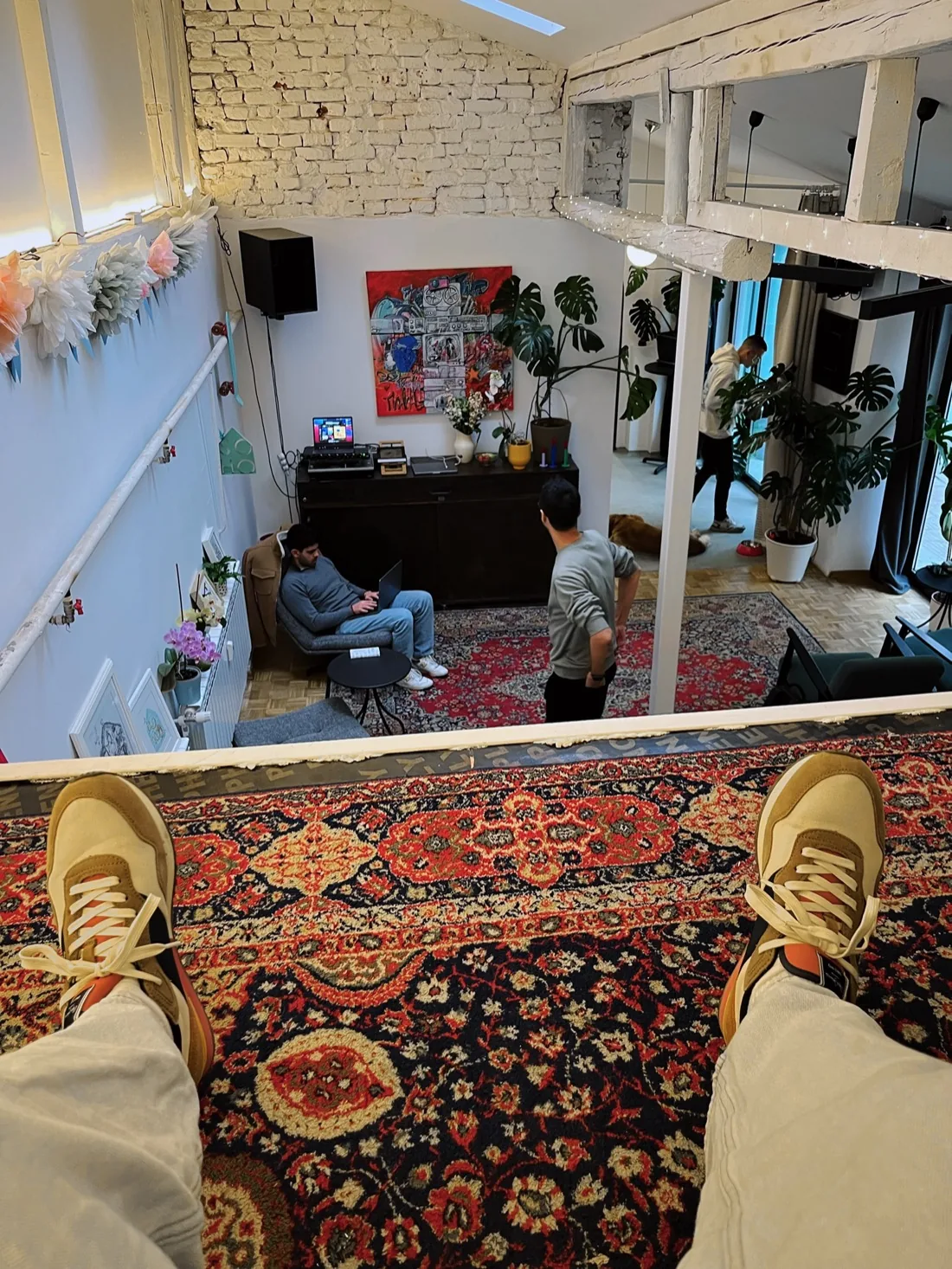
The true test of an idea is whether you still believe in it once the energy of the room wears off. We did. So a year later we made a decision that is rare for an internal side project: we would build TAFH for real and put it out in the wild.
A meaningful deadline
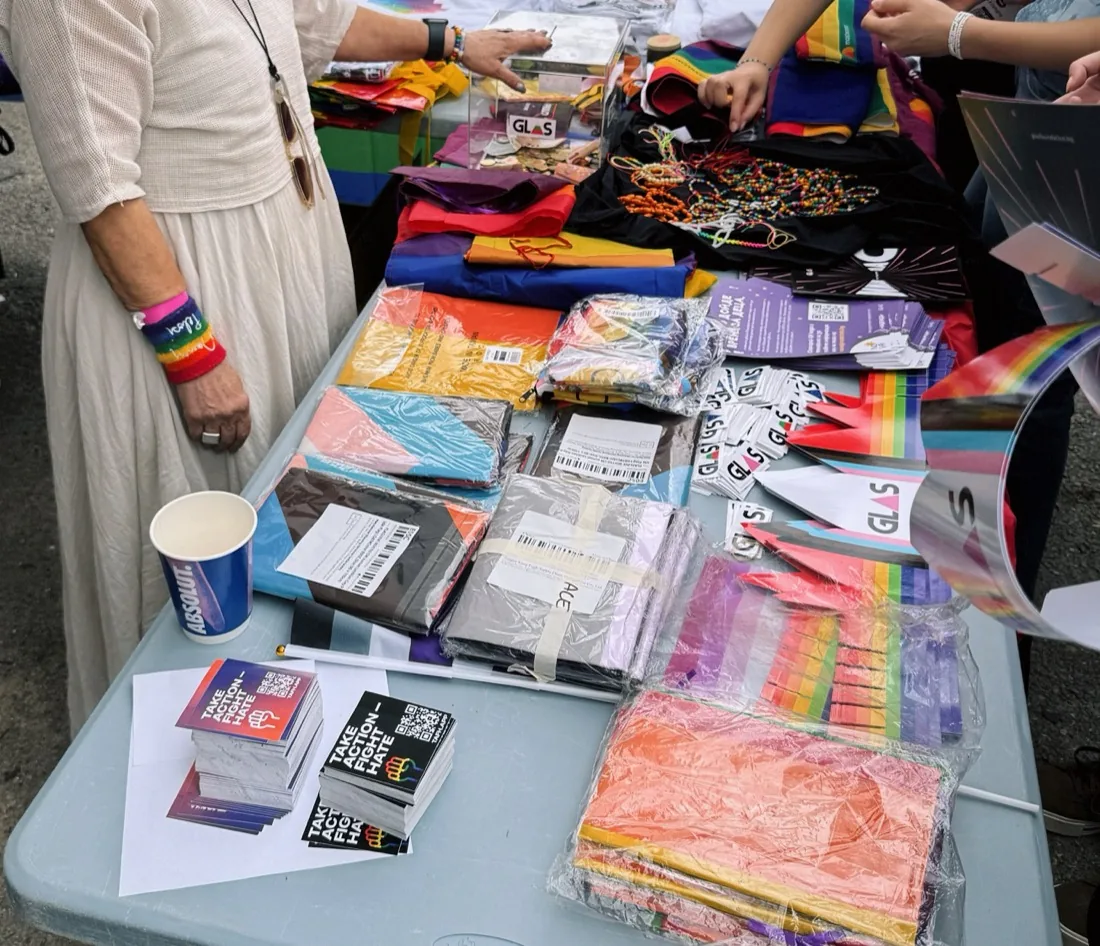
We set our launch for Sofia Pride 2026. It was the right place for an app about public space and public solidarity, and it was also where we wanted to hand out our first physical stickers, on the street, to find our very first real-world users. TAFH was built entirely in-house, from design to implementation. We were even able to reuse parts of the code we wrote during the hackathon, which felt like a small reward for getting the foundations right from the get-go. Alongside the app we built a marketing website and a moderation dashboard, so that every incoming report could be reviewed by a real person.
What we shipped
- A modern and dynamic mobile app for iOS and Android, built with React Native
- A secure and robust backend to handle all data and requests, built with Go
- A marketing website built with Svelte and SvelteKit
- A moderation dashboard for reviewing every new Signal that comes in
How TAFH works: See it. Snap it. Send it. Stop it.
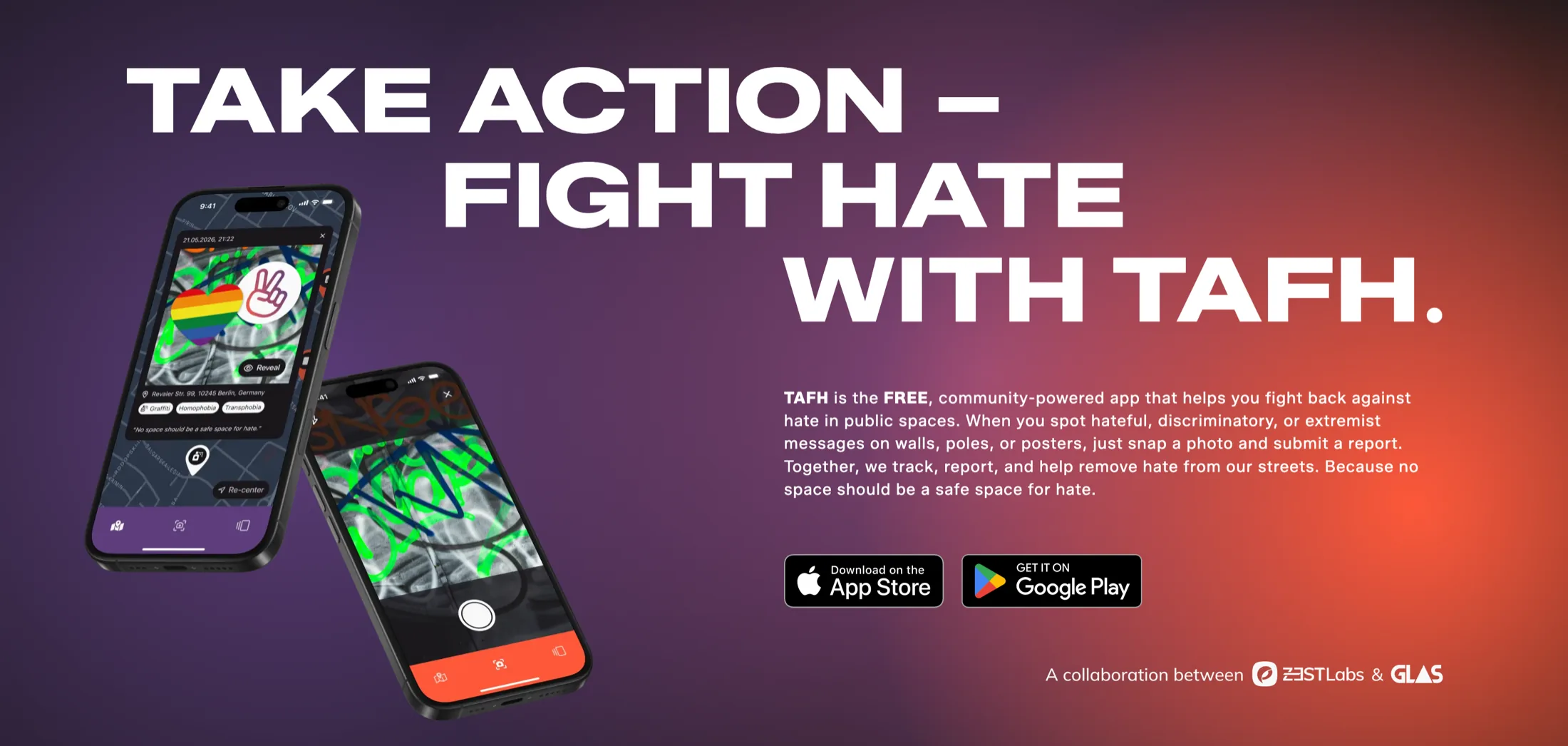
When users spot a hateful sticker, a piece of graffiti, an extremist symbol or a discriminatory poster in a public space, they open TAFH, take a photo, and submit a report. In the app, each report is called a Signal. Signals appear on a map so the community can see them, and the right organisations can follow up.
Our design requirements
- Anonymous by design. No account, no login, no personal data required.
- A live map. See recent signals around you and stay aware of your surroundings.
- Educational content. Learn to recognise hate speech and symbols, and how to report safely.
- Privacy first. Only what a report needs, processed under the GDPR and stored on servers inside the EU.
Technical and design challenges
Most of our work is business-to-business: platforms, infrastructure, internal tools. TAFH is the opposite: it is consumer-facing, narrowly focused, emotional, and it lives in someone's pocket on a busy street. All new requirements that called for a different approach. To meet those requirements, we had to push past what we had done before, especially on mobile. The app leans on dynamic location features, on the camera and image processing, on a modern and responsive interface, and on animation that makes the experience lively rather than overly professional or clinical. We wanted every interaction to feel effortless and enjoyable.
Components
Layer
Technology
Mobile app
React Native (iOS and Android)
Backend
Go
Website
Svelte with SvelteKit
Hosting
EU servers, minimal data collection
Racing the calendar
The deadline was non-negotiable, so we managed scope dynamically all the way to the finish. We cut, resequenced, and simplified to protect the launch without compromising the parts that matter most for safety and trust. In the end, we nailed the landing: TAFH cleared Apple's App Store review on the very day of Sofia Pride. We were distributing stickers on the street while the app went live.
TAFH cleared Apple's App Store review on the very day of Sofia Pride. We were distributing stickers on the street while the app went live.
Social and ethical considerations
Even though TAFH is a very different kind of app, the engineering was still the part we knew how to approach. The tougher problem was the human side of it. The core action of the app is photographing hateful messages and symbols. How could we avoid making the experience itself feel heavy and demoralising? And how do you do this responsibly, when the subject is discrimination and people's (including our users') safety in their own neighbourhoods?
Turning a grim task into something defiant
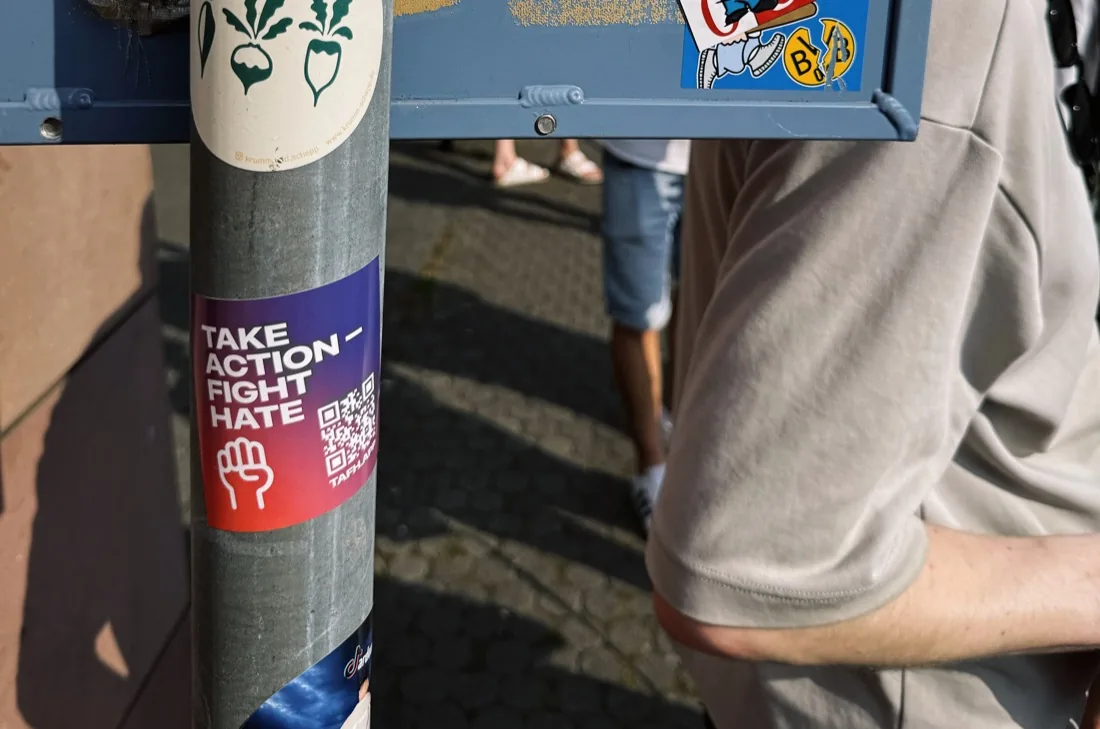
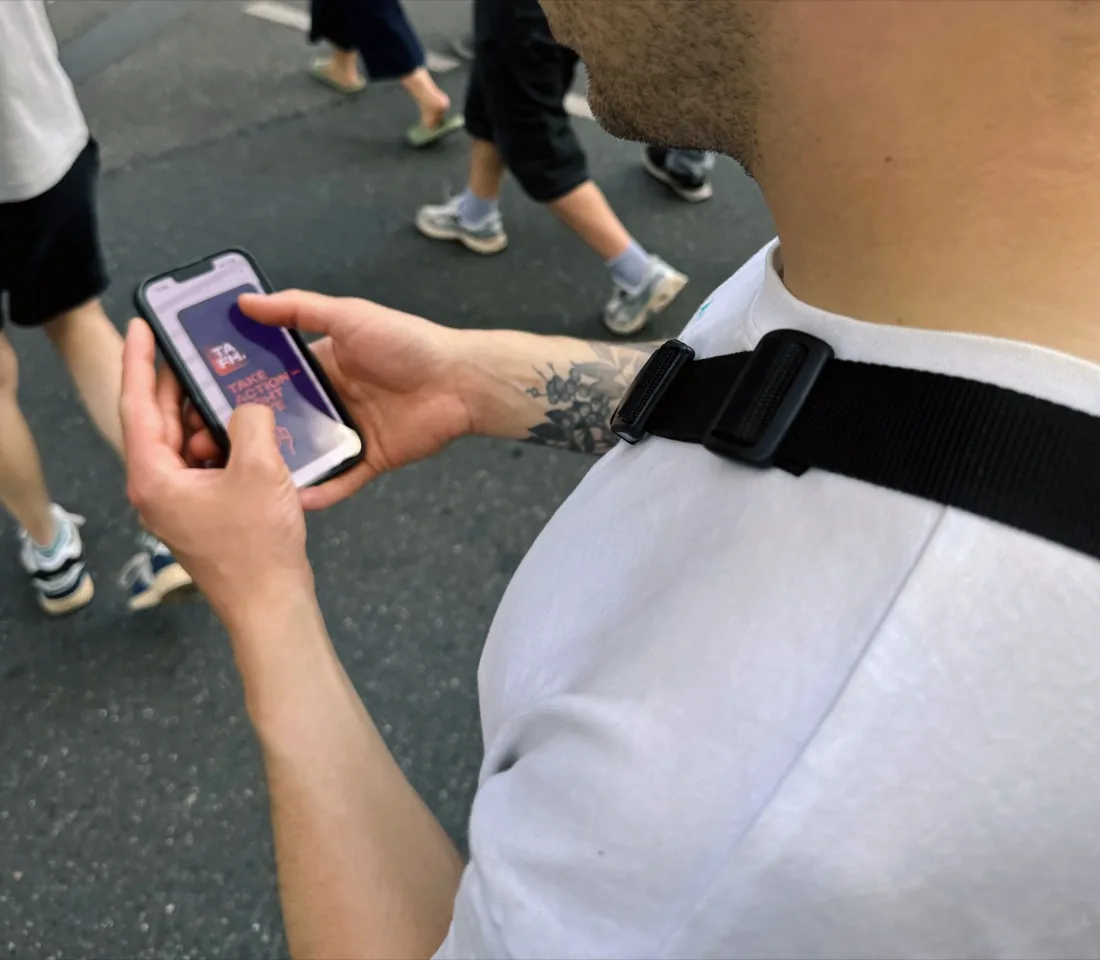
Our answer was a small idea with a big effect: digital stickers. From a sticker box in the app, you can place a digital sticker right on top of the hateful symbol or message you photographed. It is a tiny act of defiance that feels good, it gives people a sense of agency, and it keeps the experience playful even when the subject is not. We liked the idea so much that we brought it into the physical world. We designed real stickers based on the in-app designs, linking back to the app. They became our launch giveaway at Sofia Pride: a friendly object that carries a serious message and turns early users into our first wave of reporters.
Report it. Don't touch it.
The app is clear that reporting is not confronting. We tell people to keep their distance, to never challenge or follow whoever is responsible, and to never remove or damage the material on their own, which can escalate a situation or interfere with how authorities respond. No report is worth getting hurt for, and that guidance lives prominently in the app. Safety first.
Education built in
Much of the hate-filled vandalism in public space is coded. Symbols and slogans are not always obvious to people who have never had a reason to learn them. With TAFH we plan to provide educational content that helps users recognise different forms of discrimination and the symbols that signal them. The more people can see, the more they can act. We are also providing information on how users can report safely.
The goal we measure everything against
We want TAFH to sharpen our senses, help us empathise with the people affected, and empower us to support their safety in our society. All features we add from here will be judged against whether they serve that goal.
A genuine passion project
TAFH did not come from a client brief, but from us. The whole company is aligned on what the initiative stands for: equality, peaceful togetherness, love, and acceptance. That alignment is why people across the team gave it their best work, and why GLAS continues to advise us as the project grows.

We build a lot of things for other people. TAFH is the one we built because we wanted it to exist. No space should be a safe space for hate, and now there is something you can actually do about it.
Vassil Hristov, Founder at Zest Labs
What's Next
Every Signal is data flowing into TAFH, telling us how hate moves through public space over time. We want to put that information to work. What we're planning to do next:
- Heatmaps that reveal where hate speech concentrates and how it shifts, turning scattered signals into a clearer picture for communities and partner organisations.
- AI-powered analysis to help classify, cluster and surface patterns at scale. Integrating AI responsibly into products is something we do every day, and we will bring that experience to TAFH as well.
- More collaborations with organisations and authorities: We are already working on seamless APIs, so that the right entities can quickly remove and maybe even prevent hateful vandalism before it happens. We also want to share anonymised data with NGOs and educators, so it can fuel research, teaching, and advocacy. The more people recognise discrimination in all its forms and understand the real damage it causes, the better we can fight it.
Get in touch
Prefer to contact us directly? No problem, we’re happy to hear from you. Whether you have a question, want to work with us, or simply learn more about Zest Labs, we’re here to help.
Frequently asked questions
- TAFH was designed and developed entirely in-house by the Zest Labs team, from branding and product design to the mobile app, the website and the moderation dashboard. It was created in collaboration with the GLAS Foundation, which helped shape the concept from the very first hackathon.